Showing posts with label Synthpop. Show all posts

Friday, 2 September 2011

Karl Bartos: Lifestyle

To precede a full review of the 2003 album Communication, The Sonic Music Review completed the following feature of an earlier track, 'Lifestyle' from the 1993 album Esperanto. The artist Karl Bartos first  found fame as a long-time member of the highly influential German band Kraftwerk, widely acknowledged as driving the synthpop movement of the 80's and developing early techno material. Since departing from the band between the releases of Techno Pop and The Mix, the artist has found success releasing new material under his own name and under the alias of Elektric Music.

Karl Bartos: 'Lifestyle' from Esperanto
When comparing the production styles, Bartos' own work exhibits a more energetic style which separates his own work from that of his former band. 'Lifestyle' is audibly influenced by the high-octane synthpop of years previous, a movement that was largely informed by work for which Bartos is widely credited. In terms of production, the mixing is highly accomplished, possibly due to embracing digital studio technology despite its infancy, a production value garnered from previous work with Kraftwerk.

The piece begins with the main hook, accompanied by a synthetic bass timbre, an early exposition of the main harmonic progression within the piece. Throughout, the artist displays an awareness of the frequency bands occupied by the varying textures, balancing each layer effectively. Considering the age of the work, the resampled vocal textures, the lines "just another headline" and "stealing your time," is very impressive and separates the work from much of the popular music repertoire even today. Phoneme sampling later occupies an entire solo section at the piece's midpoint.


The entire piece is pulled together by the pulsing rhythms derived from audibly electronic percussive elements, unsurprising given that Bartos is a skilled percussionist. Of note also is the well programmed bassline and the interaction between these two rhythmic devices to give a firm foundation to the piece. Overall, this remains a highlight of the composer's output and is well worth a listen to the fan of electronic music, succeeding in far wider appeal than his previous output with Kraftwerk.
Save on Delicious

Sunday, 28 August 2011

Ex Machina: Line Of Time

The Sonic Music Review is always delighted to receive music submissions. Following a recent email from Claudio Chiriatti and Tobias Schwerdt, better known under their recording name Ex Machina, we are delighted to feature their latest work, 'Line Of Time' on the site. This album is the fourth studio work by Ex Machina to be released digitally on the German Fuego label, a detail the act made clear, noting that since their 1999 debut digital distribution and promotion has been their major outlet.

Ex Machina: Line Of Time
For Ex Machina, 'Line Of Time' is the first release to feature vocals alongside the thick electronic textures which constitute much of the act's output. The album begins with 'Head Up (In The Sky),' utilising a somewhat peaceful piano led introduction before introducing various electronic lines alongside the lead vocal line. This piece displays a notable influence from new wave acts and opens the album well, subsequently segueing into 'Dreamer' which features a less imposing sound world, again with a noticeable influence from 80's musical styles.

The album proves an intriguing listen and the stylistic differences between tracks such as 'Garage CLZ' and the softer setting of 'In Grief' which is reminiscent of Tangerine Dream's collaboration with Joycelyn Bernadette Smith for the track 'Tyger' from their album of the same name. The track here combines various synthetic elements with electric piano lines in place of the harsher distorted tones seen in other tracks. Considering 'Glorious,' a more sequenced approach is seen, making this track most comparable to the synthpop movement of the 80's, again, contributing a welcome sense of variety to the release.

"line of time" full length album preview by ex_machina

The album concludes with four instrumental versions of some of the albums best material in the vein of the act's previous work. Under careful listening in isolation from vocals, one appreciates even more the variety in the arrangements and some may prefer these mixes. This inclusion once more adds an additional dimension to the release. For fans of electronic music, Ex Machina's latest offering proves highly intriguing and the recent addition of vocals is a welcome development of the band's sound.

For more information about the band, including previous releases, visit the official website at machina-online.de. If you represent electronic music talent and would like to submit music to The Sonic Music Review, please get in touch here. We would like to take this opportunity to wish Ex Machina great success in their career and thank them for their submission.
Save on Delicious

Thursday, 25 August 2011

Kraftwerk: Computer World

Kraftwerk, the highly influential German electronic music outfit, are well known for their extensive use of sequencing and other devices which gave their music a distinctive robotic quality later echoed in part from the 80's synthpop aesthetic. 'Computer World' is the band's eighth studio album, released in 1981 following their most prolific output in the 1970's, crystallising the bands creative practice while refining further timbral elements and production methods. This album is widely credited as an early influence on techno music.

Kraftwerk: Computer World
Computer World (Remastered) - Kraftwerk
As with most Kraftwerk albums, the entire track listing is constructed around an overarching theme, computing and the modernisation of society being the central themes in this case. From the title track, 'Computer World' which opens the album, the lyrics meander around some of the high-tech institutions of the time, making reference to "Interpol and Deutsche Bank, FBI and Scotland Yard" while the insistent electronic percussion gives the piece a sense of momentum and pace. To further illustrate the precision of their craft, the band marry a somewhat uncertain and foreboding musical atmosphere with the lyrical content referring to the biggest investigative bodies at the time.

Following a comparably dark introduction, the track listing soon turns to the following track, 'Pocket Calculator;' which juxtaposes the mood of its predecessor with a more lighthearted feel while retaining heavily sequenced instrumentation. This track would later go on to be released as a major single from the album, reinterpreted into three different languages, as well as giving the band their chance to perform live with the use of Casio musical calculators which were also sampled throughout this track.


For the sake of word limits, a complete feature of every track on the album is not possible but a passing note on the band's inclusion of 'Computer World .. 2' referencing an earlier track is pertinent as it speaks volumes about their aesthetic. This is swiftly followed by 'Computer Love,' a later live performance of which is reviewed here. This track is certainly some of the finest material written by the band in this era, paradoxically combining typical Kraftwerk mechanism of sound with heart-rendering musical writing, one of the saddest examples of music in the 80's repertoire. Given that the band Coldplay use (with permission) the opening riff of 'Computer Love' in their track 'Talk,' Kraftwerk's influence into popular contemporary music is overtly exemplified.

The album concludes with 'Home Computer' and 'It's More Fun To Compute,' two tracks later combined into a singular arrangement for the band's more recent tours. Ultimately these tracks bring the album to a conclusion with a similar dark mood to its beginning. From any angle one looks upon this album, it is undoubtedly a fine collection of work and some of the band's greatest output.

For The Sonic Music Review's feature of 'Minimum-Maximum,' a live album featuring several tracks from 'Computer World,' click here.
Save on Delicious

Thursday, 11 August 2011

Kraftwerk: Computer Love (2009 Version)

Kraftwerk are undisputedly one of the most influential acts of contemporary music, having famously inspired a wealth of synthpop music and influenced OMD among others to take up synthpop. Having been in the business since the late 60's, the fact that they still perform today is almost as remarkable as their adept reinvention to always remain on the edge of new performance technology. This video, an excerpt of a live performance by the group in 2009 shows the band performing their classic 'Computer Love,' best known by some for the riff which featured in Coldplay's 'Talk' many years after its debut.


Perhaps one of the most interesting features of this video, captured by DigitalDosage (see here), is genuine interaction with the crowd from Ralf Hutter, while Kraftwerk's typical method of working a crowd rarely constitutes more than a cursory glance at the audience. The video begins with Hutter joking in typical Kraftwerkian fashion "Next time, we'll bring our bikes."

As the music opens, even on this lo-fi recording, the virtues of laptop performance are clear, with far improved sound quality and crucially vastly increased sampling and processing dexterity. The arrangement itself has been noticeably altered from the original, as has the instrumentation. The visual accompaniment is also highly refined to give a purposefully minimal, polished commentary on the music, as seen throughout the bands live album 'Minimum-Maximum,' reviewed here.

Musically, the highlights appear in the form of the extended introduction and in particular the vocoded "computer love" harmony which features briefly within the arrangement on occasion, to an audible reception from the audience. The pseudo-improvised instrumental bridge adds variety but this is undoubtedly a fine rendering of the Kraftwerk classic. One can only hope their longevity continues deservedly.
Save on Delicious

The Human league: Credo


Just when everyone assumed that The Human League had called it quits in the studio with their waning relevance to popular music, 2011 marked the release of ‘Credo,’ their first studio album in ten years, following 2001’s ‘Secrets’ album. As a point of interest, this album comes an incredible three decades after their storming debut ‘Dare.’ This album presents further refinement to the band’s output, both compositionally and in terms of production.

The Human League: Credo
Credo - The Human League


This album reconciles a refined take on 80’s synthpop in terms of soundworld with a partially reinvented style which on the surface would appear to combine Kraftwerk with latter day Pet Shop Boys aesthetics. That said, the album remains quintessentially Human League by nature through the minimal yet accomplished synth writing accompanied by Philip Oakey’s unsubtle yet smooth vocals leading several tracks but frequently employing the vocal talents of Susan Ann and Joanne Catherall who complete the trio’s lineup.

The album opens with ‘Never Let Me Go,’ decadent in references to the band’s early days in terms of timbres chosen but further adorned with contemporary techniques such as auto-tuning. ‘Never Let Me Go’ is the second single to be released from the album and is quickly followed by the premiere single ‘Night People,’ released several months prior to the album, largely as a call to fans that “The Human League lives!” The 5:30 runtime of ‘Night People’ draws attention to the way in which the band have accomplished an extended form to the majority of the tracks on this release while maintaining heightened anticipation by the listener, avoiding the typical boring cliche of 8 bar loops rising and falling.

Some tracks, such as ‘Egomaniac’ are particularly notable for their ability to evoke new moods alongside the generally [purposefully] disjointed quality of several pieces, for which the band first found fame. In this track for example the key vocal harmony is interspersed between dark synthetic writing and urgent electronic percussion. The chorus of this song also proves to be particularly effective, enforcing the maintained dark theme.


While much of the album veers toward the heavily sequenced, mechanical musical style pioneered by Kraftwerk many years previous, brief instances exist such as ‘Breaking The Chains’ which exhibit a greater reliance on strong grooves, a mainstay of earlier Human League output. In this particular track, the brief uses of stuttering and other common modern day effects add to the listeners interest. This album certainly marks a welcome return to the studio for the band.


View Tracklisting

Save on Delicious

Friday, 5 August 2011

The Pet Shop Boys: 'The Clock 10/11/12'

The Pet Shop Boys are well known as early proponents of the 80’s synthpop movement who throughout their career have released a number of charting records largely in their inimitable disco influenced synthpop style. ‘The Most Incredible Thing’ is arguably the duo’s most unusual project - a musical soundtrack choreographed to a ballet. As such, the release combines more contemporary Pet Shop Boys writing with orchestral elements previously alluded to in passing reference from their popular music throughout the years.

The Pet Shop Boys: The Most Incredible Thing

The Most Incredible Thing - Pet Shop Boys


Of the tracks on the album, ‘The Clock 10/11/12’ proves to be one of the most interesting and so is focussed upon here. This particular track aptly combines the contemporary dance-influenced electronic writing with the pompous orchestral writing which are both seen throughout this album, beginning with purely electronic elements and after approximately three minutes segueing into a large ‘oom-pah’ score. Without viewing the ballet choreography, one cannot comment on the interplay between the music and dance at this point, however it is not unreasonable to suggest that this point depicts a more rural setting. At any rate, the music suggests very clear imagery and is commendable as such.

The track opens with sustained harmonies from some of the several synth lines which feature in this track, accompanied by several samples manufactured for their electronic connotations. At this point, the samples is question, given their prominence, could benefit from more advanced sonic processing akin to Tangerine Dream’s notable proficiency in this area. While considerations of timbre take place, the drum sequencing and timbre proves a noteworthy mention, being unlike most of the duo’s previous output.


Following the introduction comes the addition of additional musical elements, including a sequenced bassline and an accompanied off-beat synthesiser line which features very accomplished rhythmic interplay. The arrangement also is a testament to the expertise garnered by Tennant and Lowe throughout their career, bringing great variety to the arrangement through the variation of instrumentation which takes place.

Of the 21 tracks available on ‘The Most Incredible Thing,’ this certainly proves well worth a listen.
Save on Delicious

Sunday, 31 July 2011

Praise To The Machine: Everything Is Noise

The Sonic Music Review is glad to once again feature an unsigned act who have submitted music for review, in this case, the swedish electronica group Praise To The Machine. As described in their brief bio which accompanied the group's submission, the group first started as a duo in 2009, later adding a third member in 2010, also contextualising their creative practice within the aesthetics of the late 80's/early 90's synth pop scene.


The heavily influence of the 80's synthpop movement on Praise To The Machine's output is notable, rendering a musical style which is particularly comparable to Depeche Mode due to the synthetic instrumentation, style of writing and strong baritone lead vocals. The piece begins with the various synthetic elements which underpin the majority of the track - electronic percussive elements and gated bassline.

The track proves particularly interesting as it develops into the chorus section which adds several more synth parts. The heavily sequenced impression given by the various gated synth parts draws further reference to various examples of Depeche Mode or New Order's output which epitomised 80's synthpop writing to a large degree. The use of instrumental sections later add interest, breaking up a verse-chorus based structure which forms the basis for the track's structure.

In terms of quality of production, this piece once more references the techniques and values seen in much of the musical repertoire of the 80's. Each of the track's elements are clearly audible amid the thick synthetic orchestration and the use of the stereo field is accomplished, as is the depth of field seen between the vocals and synthetic elements. The application of reverb and use of vocal backing harmonies further suggests a heavy influence of the 80's production style on this track.

This track is a welcome throwback to the music of yesteryear and, to the faithful children of the 80's, many will prefer the band's compositional and production values to that of contemporary synthpop artists such as La Roux or Little Boots, who draw heavy influence from the same repertoire while writing and producing in a style which panders more to the popular music audience of today. The band's output is well worth a listen and further releases are very eagerly anticipated. For more information and to listen to the band's music, visit the band's official page here.
Save on Delicious

Tuesday, 26 July 2011

Various Artists: Ministry Of Sound 'Anthems - Electronic 80's 2'

Following the success of the previous 'Anthems Electronic 80's' compilation, reviewed last week, available here, a 2010 followup was soon in the works. Once again containing some of the biggest names in the synth pop scene, this compilation offers another 60 tracks of electronic music.


Various Artists: Ministry Of Sound 'Anthems - Electronic 80's 2'

The release begins with 'Don't You Want Me' by The Human League, soon followed with tracks from Eurythmics, Kraftwerk, OMD and Yazoo. Unlike the first in the Ministry Of Sound's 'Electronic 80's' series, this volume contains a more varied selection of material. The inclusion of 'Love On A Real Train,' a New Age/Ambient track by the German groupTangerine Dream and tracks like 'Golden Brown' by The Stranglers add an extra dimension to the compilation, going beyond purely synth pop, which comprised the majority of the first volume.

This volume in the series also includes several tracks which were conspicuous in their absence in the previous release. Tracks such as 'You Spin Me Round (Like A Record)' by Dead Or Alive and the classic 'She Blinded Me With Science,' so deserving that the track received it's own review here, shine in amongst this collection which once again proves a very appealing purchase for the new romantics among The Sonic Music Review's readers.

Save on Delicious

Wednesday, 20 July 2011

Various Artists: Ministry Of Sound 'Anthems - Electronic 80's'

To celebrate some of the finest electronic music from the 1980's, this Ministry Of Sound compilation, released in 2009, features some of the biggest names in the bygone synthpop era, including Ultravox, Soft Cell, Orchestral Manouvers In The Dark (OMD), and many more.


Various Artists: Ministry Of Sound 'Anthems Electronic 80's'

The compilation, which contains a total of 60 tracks running 16 seconds shy of a four hour runtime, begins with 'Vienna' by Ultravox. Some of the most favourable output of the era soon follows, including 'Cars,' 'Tainted Love,' 'Fade To Grey' and 'Don't Go' all within the first five tracks.

Among the highlights are some of the lesser known works, such as Thomas Dolby's 'Hyperactive' and The Human League's rendition of 'Being Boiled.' As such, the compilation does well to document some of the most successful releases of the 80s alongside lesser known works equally worthy of praise. Unfortunately there remains some tracks which would be expected on such a compilation. Thankfully, a second volume followed later to include a further number of tracks.

Through the inclusion of such varied works, this compilation is given far greater depth than the typical synthpop compilations which draw from largely the same material. For any children of the 80's, this compilation serves as a charming retrospective of the era where synthesisers got sexy. For volume 2, released in 2010, click here.
Save on Delicious

Saturday, 9 July 2011

Thomas Dolby: She Blinded Me With Science

Thomas Dolby saw his first commercial release in 1982 with his debut album 'The Golden Age Of Wireless.' Lacking a great initial commercial success, Dolby did not become known until the release of 'She Blinded Me With Science' as a single later that year. Following the success of the track, which became synonymous with Dolby, his debut album was rereleased to include it and Dolby subsequently was able to continue his aspirations for a musical career, which is still active today.

Thomas Dolby: She Blinded Me With Science

She Blinded Me With Science - The Golden Age of Wireless

The track is typical of 80's music with the adoption of electronic instruments alongside a popular music writing style. For the time, the mixing of this track is truly admirable, something Dolby himself notes in an interview from his later 'The Sole Inhabitant' live DVD/Live Album. Some may consider the track rather gimmicky due to the playful setting and various interjections by Magnus Pyke, a TV presenter and scientist well known at the time, however the writing style is sound and rewards academic study.

The piece features great variety when one listens carefully, each verse and chorus introducing new elements which make a brief cameo appearance. The further use of layering throughout is also notable. While this is common to much of the commercial output of the 1980's, the application of layering in this track is highly accomplished and composers in this genre would do well to study for instance the interaction of the string and low synth which precedes "I can smell the chemicals" or the vocal doubling throughout.

The track establishes Dolby as a very able synthpop/new wave musician and composer, unafraid of a 'zany' and lighthearted style of composition. For this reviewer, this track remains a definitive track of the 1980's.
She Blinded Me With Science - The Golden Age of Wireless
Save on Delicious

Friday, 8 July 2011

The Scissor Sisters: Night Work

The Scissor Sisters first rose to fame with the 2004 release of 'Scissor Sisters,' an electroclash album which went on to achieve great commercial success. With further refinements to their style with a notable influence from the synthpop aesthetic, the third studio album, 'Night Work,' is the result of a collabaration between the band and the producer Stuart Price.


The Scissor Sisters: Night Work

Night Work - Scissor Sisters

The album begins with the title track 'Night Work,' telling the possibly autobiographical tale of a night worker in the band's inimitable style which throughout this album combines multiple synthetic elements alongside electric guitars and other reminders of the group's past output. Soon after comes 'Fire With Fire,' the shamelessly repetitive first single of the album.

Following 'Fire With Fire' comes the second track of the album to be released as a single, 'Any Which Way.' This number in particular exemplifies the upbeat style which the band rarely deviates from. An interesting component of this track in particular is the apparent influence from Funk music which is best seen in the basslines during the choruses. The mood of this track contrasts pleasantly with the dark, and verging on fetishistic, 'Harder You Get' which follows it.

An album of highs and lows, 'Skin This Cat' proves to be one of the poorest example of 'popular' music in this reviewers library, memorable but sadly for the wrong reasons. This track appears alongside some of the most phenomenal tracks of the album and indeed the band's entire output: 'Sex And Violence' and 'Invisible Light,' both of which employ a very interesting style of composition, achieved purely through synthetic instrumentation (with exception of the vocal parts). Also of note is 'Something Like This,' a homage to the band's influences, actually going as far as to sample Kraftwerk's 'Radio-Activity' (reviewed here) and Kylie Minogue.

This album, with the omission of some brief slips, is one of the band's most remarkable work and is evidentiary of the way in which electronic compositional styles influenced by previous groups can be applied to popular music.
Night Work - Scissor Sisters
Save on Delicious

Kraftwerk: Radio-Activity

Following the breakthrough success of 'Autobahn' in 1974, reviewed here, the next Kraftwerk album, 'Radio-Activity' was released in October 1975. Despite being released so soon after the band's first major record, this album shows a significant progression in style and is to be commended thus. This progression between albums is particularly significant in the case of Kraftwerk, which noticeably progress stylistically with every release.


Kraftwerk: Radio-Activity

Radio-Activity (Remastered) - Kraftwerk


The album begins with a short introductory track, 'Geiger Counter' before the title track 'Radio-Activity' marks the first musical material of the album. This title track was the only track from the album to be subsequently released from the album and has since been incorporated in the band's contemporary live performances, also appearing in their 'Minimum-Maximum' live album, reviewed here. This is followed up with the highly bleak 'Radioland.'

Kraftwerk are noted as a major influence by many of the big names of the 80's synthpop movement, including Orchestral Manoeuvres In The Dark (OMD). When listening to a later track from the album, 'Antenna,' the clear parallels to synthpop music which was soon to become mainstream are clear. To a lesser extent, the band's use of the vocoder within their musical setting in tracks such as 'The Voice Of Energy' and 'Radio Stars' could be seen as popularising the musical effect into mainstream music, again this was used extensively later by a number of acts.

While the allusions to synthpop are clear throughout the album, the penultimate track 'Transistor' illustrates a musical style akin to the musical style of Vangelis. While this album lacks the same degree of an impact which the band's previous album 'Autobahn' did, the album remains a critical historic release which was highly influential on the subsequent development of western popular music. The album was of critical importance to the development of Kraftwerk's own music, bridging the gap between the experimental days of Krautrock and their later sequence based offerings such as the later 'Computer World' album which greatly influenced the development of techno music.
Radio-Activity (Remastered) - Kraftwerk
Save on Delicious

Friday, 1 July 2011

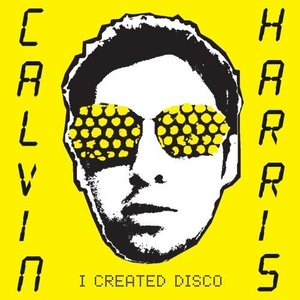
Calvin Harris: I Created Disco

While the chart performance of the 2007 debut album by Scottish artist Calvin Harris was comparably modest when compared to other recent debut albums, 'I Created Disco' is uncommon in its composition and even its production, having been created entirely on an Amiga system.

Calvin Harris: I Created Disco

I Created Disco - Calvin Harris

The album begins with 'Merrymaking At My Place,' overt in its intentional disco references. Throughout, Harris uses a clear electric bass line with typical disco drum patterns underpinning the repeated vocal phrases. The following track, 'Colours' continues with the heavily synth led nature of the album. According to a recent interview, the lyrical content of this track refers to a man dissatisfied with women who wear no colour.

The tracks 'Acceptable In The 80's' and 'The Girls,' both released as singles from the album, received widespread airplay as well as use on the small screen. Underpinning both tracks is the album's origins in 80's synthpop with clear influences from acts such as Visage and The Human League. In general, the album would benefit from greater variety rather than a succession of homogenous material. This is seen briefly in the penultimate track, 'Loves Souvenir,' which is reminiscent of synth-based funk music. Sadly however, even this relief from the monotonous style of the rest of the album is highly repetitive and the effect of variety is lost.

Overall, for a 00's debut album, Harris' writing is highly unusual, with several tracks worth a listen.
I Created Disco - Calvin Harris
Save on Delicious